
After being held by bottom side Wolves in the dying moments, Arsenal dropped points for the second straight Premier League round, allowing Manchester City to edge closer in the title race. As BD Cricket debates rage across different sporting arenas, the tension in North London feels just as intense. Back to back London derbies now await, with a newly managed Tottenham and a Chelsea side pushing hard for a Champions League spot. For Mikel Arteta, another wave of scrutiny is building.
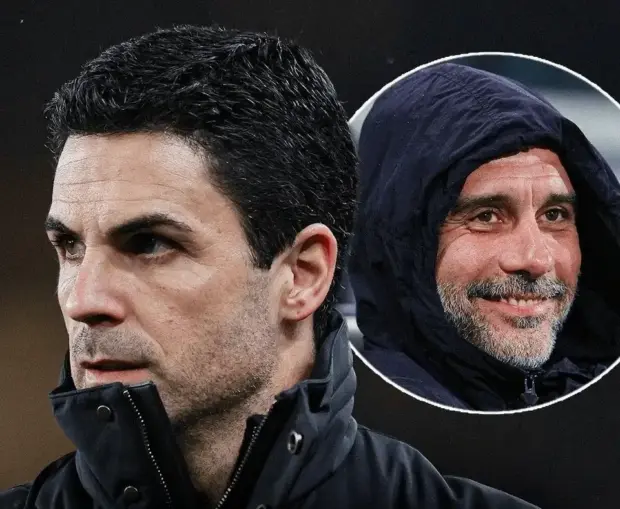
Arteta’s tactical philosophy leans toward caution. The upside is clear: Arsenal concede very few goals in the league and rarely collapse in Europe. Yet conservative football cuts both ways. It relies heavily on defensive resilience and leaves little margin for error against elite managers. When facing top opposition, narrow defeats can become a recurring theme, and that fine line often separates contenders from champions.
Wolves managed only five shots all game, with their first arriving deep into first half stoppage time. Astonishingly, their final two attempts both found the net. One goal carried an expected goals value of just 0.04. From Arsenal’s perspective, it was a bitter pill to swallow. The defensive structure did not unravel, and from the 61st minute to full time Wolves produced only two shots totaling 0.2 expected goals, yet both ended up in the back of the net. Sometimes football can be a cruel game, and luck was clearly not on Arsenal’s side.
The equalizer stemmed from what looked like a harmless cross. Instead, confusion between center back Gabriel and the goalkeeper gifted Wolves the decisive moment. While chance played its part, Arteta’s reluctance to manage the game through possession control also came into focus. Once the wingers lost their cutting edge, Arsenal retreated into a deep defensive shell, inviting pressure.
Historical data from Europe’s top five leagues suggests that the team conceding the fewest goals does not always lift the trophy, with José Mourinho being a rare exception. This season Arsenal again boast the league’s best defensive record, and that is unlikely to change by May. Their title challenge has remained alive because significant investment strengthened their ability to break down stubborn defenses. Fifty two goals in 27 league matches place them just behind Manchester City’s output, outscoring most rivals comfortably.
However, the expensive acquisition of striker Viktor Gyökeres has yet to deliver consistent returns. In 25 league appearances, he failed to register a shot on target in 15 matches. Of his eight goals, two came from penalties and several from close range finishes created by teammates. That inefficiency has become a thorn in Arteta’s side.
On the bright side, Arsenal’s scoring burden is shared widely. Fifteen different players have found the net, and more than ten have combined for at least five goals or assists. Depth and quality across the squad provide reassurance. Even in matches where the flanks dominate and the center lacks creativity, goals can arrive from unexpected sources.
Ultimately, the current predicament reflects a subtle yet crucial distinction between a coach who finishes second and one who consistently wins titles. Elite managers maximize every attacking resource at their disposal, squeezing every ounce of potential from their squad. Arteta appears close, but not quite there. As BD Cricket enthusiasts appreciate the razor thin margins that define elite sport, Arsenal’s season may hinge on their direct showdown with Manchester City. Clear that hurdle and the horizon opens wide; stumble again and the label of runner up may stick once more.